
In industrial automation and fluid control systems, the pneumatic butterfly valve plays a vital role in managing the flow of liquids and gases with precision and efficiency. This article explores the structure, working principle, and key features of air actuated butterfly valves, incorporating essential keywords like actuated butterfly valve, spring return, double acting, and materials such as anodized aluminum and ductile iron.
A pneumatic butterfly valve is a type of actuated butterfly valve that utilizes compressed air to open or close the valve disc, allowing or blocking media flow in a pipeline. Unlike manual valves that require physical intervention, pneumatic valves enable remote or automated control, making them ideal for high-speed and high-cycle applications in industries such as water treatment, chemical processing, and HVAC.
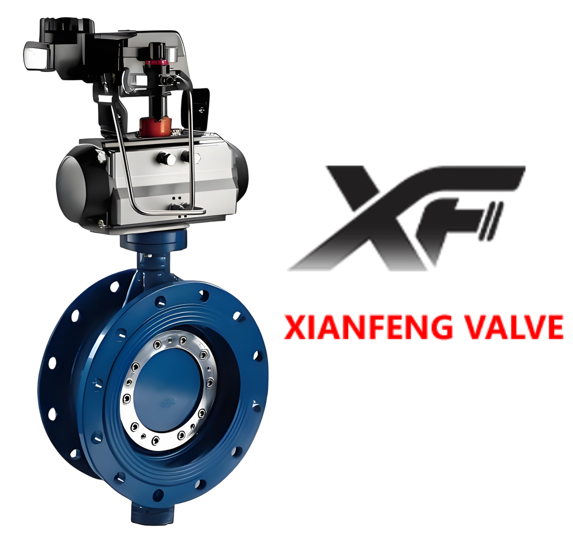
The term air actuated refers to the use of pressurized air to control the valve. These valves are fitted with a pneumatic actuator—a device that converts compressed air energy into mechanical motion. The actuator is mounted directly on top of the butterfly valve and drives the disc to rotate within the valve body.
There are two main types of pneumatic actuators used:
The working principle of a pneumatic butterfly valve is relatively simple:
When the actuator is spring return, the disc automatically returns to its original position upon loss of air, ensuring safety and system integrity.
A robust design is essential for reliable operation. Pneumatic butterfly valves typically incorporate materials like:
These materials ensure that the valve can withstand harsh environments while maintaining long service life.
Pneumatic butterfly valves are widely used in:
Their fast response time, automation capability, and durability make them an efficient choice for flow control in both critical and non-critical applications.
A pneumatic butterfly valve is an essential component in modern fluid handling systems, offering automation, speed, and reliability. Whether configured with a double acting or spring return actuator, this air actuated valve is designed for optimal performance across a wide range of industrial applications. With high-quality materials like anodized aluminum and ductile iron, and a clear understanding of its working principle, engineers and plant operators can confidently integrate these valves into their control systems.
By leveraging the right actuated butterfly valve, industries can enhance efficiency, reduce downtime, and achieve greater operational control.