
A pneumatic ball valve is a type of valve that uses compressed air to operate a stainless steel ball inside the valve body, allowing or blocking the flow of fluids such as water, oil, or gas. This valve is often used in industrial systems where fast, reliable, and automated open and close actions are required.
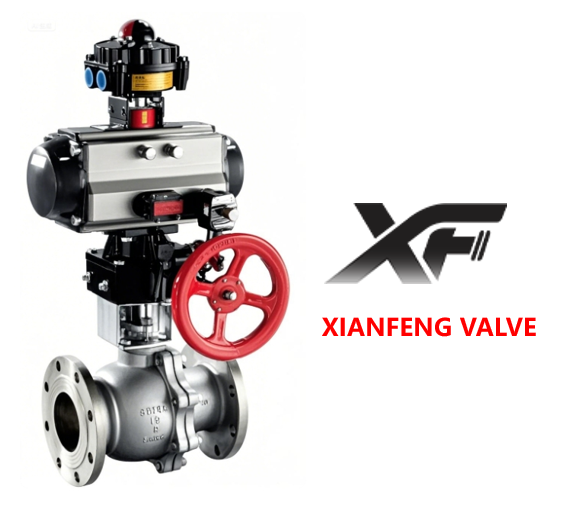
At the core of a pneumatic actuated ball valve is a precision-engineered ball with a hole through its center. When rotated 90 degrees by a pneumatic actuator, the hole aligns or blocks the flow path, allowing for full-flow or complete shutoff. The actuation is powered by air pressure supplied through pneumatic actuators.
There are two main actuation types:
Air actuated ball valves are widely used in applications where electrical actuators may not be suitable due to hazardous environments or where compressed air systems are already in place. These valves provide:
A pneumatic operated ball valve typically consists of:
These valves are designed to handle various flow rates and pressures efficiently. Due to their low pressure drop and full-bore design, they allow for unimpeded media flow. This makes them ideal for processes requiring high throughput and precision control.
Industries that commonly use pneumatic actuated ball valves include:
These valves are particularly favored for their ability to operate quickly and reliably in automated systems, especially where consistent air pressure can be maintained.
The working principle of a pneumatic ball valve is straightforward:
A pneumatic ball valve is a robust, efficient, and reliable solution for controlling flow in automated systems. Whether dealing with water, oil, or gas, these valves offer precise control over flow rates, with excellent resistance to harsh conditions. With pneumatic operated ball valves made from 316 stainless steel, industries can achieve safer and more efficient process control using the power of compressed air.